


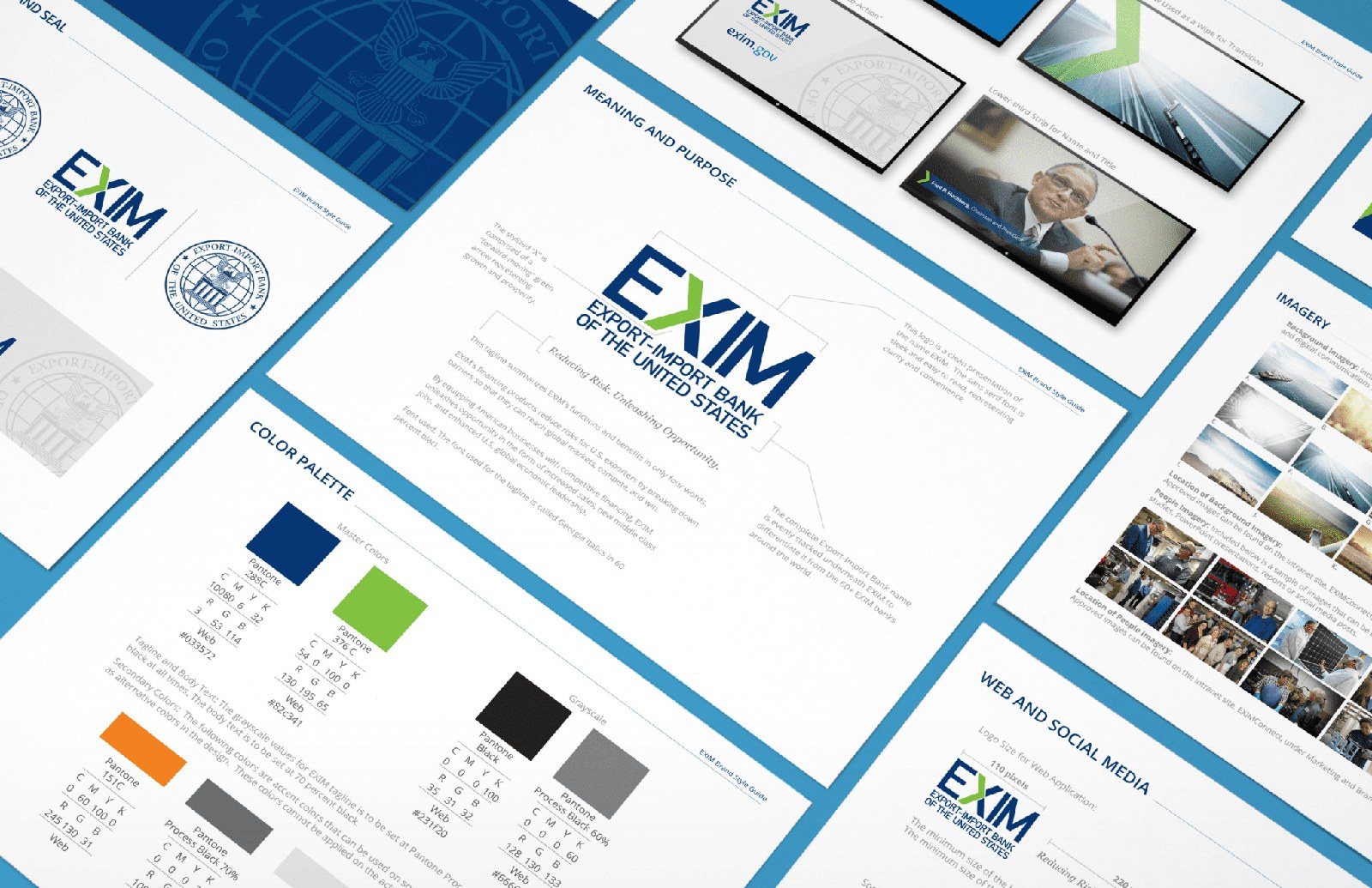
A buyer's guide to choosing a branding partner for a new identity, a focused refresh or a wider organizational rebrand.
Before asking an agency to redesign a logo, write down what has stopped working. Perhaps customers confuse your services, an acquisition has left several identities competing, or an old mark is difficult to use on a phone. Those problems call for different assignments.
A focused visual refresh can preserve a familiar identity. A rebrand may require research, positioning, naming and decisions about how business units relate. Compare these seven agencies by their proposed reasoning and deliverables before preferred colors.

About this comparison
TriVision Creative publishes this guide and is included. Official sources were reviewed on October 30, 2026. This is an editorial shortlist, not an independent ranking or design-quality test. Suggested fits are our analysis. Agency descriptions establish published capabilities, not a promise that every service is included in a proposal.
Quick comparison
-
TriVision Creative
- Consider when
- Identity decisions need a wider rollout
- The first question to settle
- Is this a refresh or a strategic rebrand?
-
Fathom Creative
- Consider when
- An existing brand needs to be created, refreshed or extended
- The first question to settle
- What should remain recognizable?
-
LightMix
- Consider when
- A brand system must work across marketing materials
- The first question to settle
- Which applications will test the identity?
-
Borenstein Group
- Consider when
- A technology firm needs B2B or B2G positioning
- The first question to settle
- Which buyer problem must the brand explain?
-
Bluetext
- Consider when
- An organizational change needs a coordinated identity
- The first question to settle
- How will multiple businesses or offers relate?
-
Red Thinking
- Consider when
- Research needs to inform identity and campaign creative
- The first question to settle
- What evidence will guide the design decision?
-
Social Driver
- Consider when
- Branding must support a communications program
- The first question to settle
- How will the message change by audience?
The profiles link to official evidence. Fit and proposal questions are editorial guidance, not scores.
TriVision Creative for identity through rollout
TriVision's current Creative homepage describes brand strategy, naming, identity design, guidelines and rollout, alongside branding and logo-design services.
That combination makes it a candidate when the identity must be applied beyond a logo file. Bring examples of what employees actually create: proposals, presentations, email signatures and web pages. Ask which of those applications will be designed, which will become editable templates and which are excluded. Have the proposal distinguish discovery from design and rollout. Confirm the deliverables in writing.
Fathom Creative for preserving what already works
Washington-based Fathom Creative describes new-brand, refresh and ongoing-brand work, with audits, visual identity, guidelines and collateral among its services.
This is worth exploring if your organization has accumulated recognizable assets but lacks consistency. Ask what the team would investigate before recommending replacement. Can the existing mark survive with better typography, clearer messaging or more useful templates? Request a review of ordinary materials as well as flagship work. Test whether staff can use the system for everyday work.
LightMix for a usable identity system
LightMix's branding service covers research, messaging, identity and guidelines, including updates and extensions of existing systems in Northern Virginia and Washington.
Ask to test proposed directions on demanding applications: a small website header, a one-color print piece, a dense report cover and a presentation slide. The question is whether the identity remains recognizable under everyday constraints. Clarify typography and image licensing, file formats and the tools your staff will use. If the agency creates a style guide, request practical examples of common mistakes and guidance for adding future materials without redesigning the system.
Borenstein Group for technology positioning
The McLean-based Borenstein Group lists brand strategy, positioning, identity development and messaging workshops for B2B and B2G technology companies.
Consider it when a technically capable organization struggles to explain its relevance. Prepare examples of buyer questions, competing descriptions and claims you can substantiate. Ask how positioning will be tested against those inputs before becoming a tagline or visual direction. For a government contractor, distinguish corporate identity from proposal-specific language. Marketing materials should communicate the business without suggesting contract eligibility, procurement status or client endorsement that has not been verified.
Bluetext for brands undergoing change
Bluetext's branding portfolio includes technology and professional-services work and organizes examples around situations such as mergers, carve-outs and corporate changes.
It merits consideration when the hard decision concerns the relationship between brands. Should an acquired company retain its name, adopt an endorsement or join one master identity? Ask for a decision process before asking for logos. Request examples of the transition itself: employee materials, customer explanations and old-to-new asset replacement. Clarify who will maintain a brand-architecture diagram when another product or business unit is added after launch.
Red Thinking for research connected to design
Red Thinking publishes research, positioning, logo design, identity and style-guide services, with a DC, Maryland and Virginia service area.
Explore this option when internal opinions differ and you need evidence to guide the brief. Ask what research is proportionate to the decision: existing customer feedback may answer one question, while another needs interviews or a structured study. Agree beforehand on how the findings will influence concept selection. Avoid collecting opinions without a decision rule. Identify one client approver who can reconcile feedback rather than sending the agency several conflicting sets of revisions.
Social Driver for branding within communications
Social Driver lists messaging and branding within communications strategy, alongside website and content capabilities, from its Washington headquarters.
This is relevant when the central issue is how different audiences understand the organization. Ask for an example showing one core message adapted for a member, a partner and a public reader. If a new visual identity is also required, specify logo development, visual standards and production files explicitly rather than assuming they follow from a communications engagement. Review the connection between message, website language and recurring content before deciding whether the proposed scope is complete.
What a useful branding brief should settle
Name the decision. State whether you want diagnosis, a refresh, a new identity or a wider architecture change. Invite an agency to challenge the diagnosis, but ask it to explain why.
Define research and approvals. Identify the audiences to hear from, the stakeholders to consult and the person who makes the final decision. Separate useful feedback from a popularity vote.
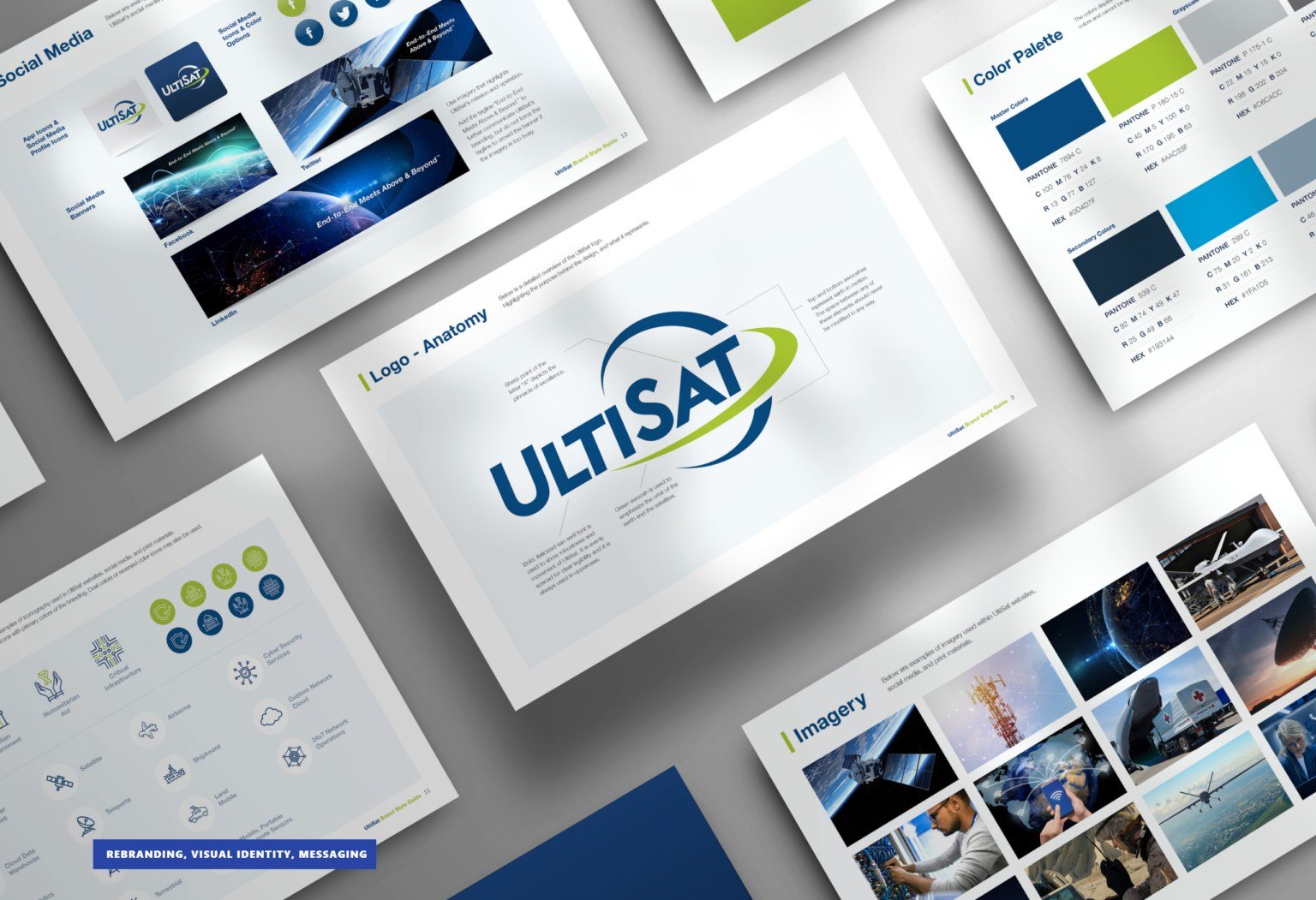
Specify the system. List logo variants, color and type guidance, image direction, templates and source files. Request examples that your staff can use without specialist design software where appropriate.
Plan the transition. Inventory websites, signage, forms, presentations and partner materials. Assign an owner and replacement priority to each. Ask about naming checks and professional legal review separately; do not assume a creative naming exercise includes trademark clearance.
Agree on acceptance. Establish concept rounds, revision limits and the meaning of final delivery. Keep unused concepts, third-party assets and future adaptations clear in the agreement.
Frequently asked questions
Can we commission just a logo
Yes, if your positioning and audience are already clear. Ask for the variants and usage guidance you need, not simply one image exported at several sizes.
Should employees choose the final design
Employees can reveal practical requirements and useful associations. Set decision criteria and a final approver so feedback informs the choice without turning it into an unstructured vote.
Does a rebrand require replacing everything at once
Not always. Map essential launch-day changes and a staged replacement plan. Consider where mixed identities could confuse customers or staff before deciding what can wait.
Bring your brand question to TriVision
Review TriVision Creative and share your current materials. Explain what has changed, what should remain recognizable and where the identity must work. Ask for a scoped recommendation covering the decision, design system and rollout responsibilities.